Are Quick-Release Spring Bars Safe for Rolex & Omega?
Quick-release spring bars are safe for many luxury watch strap setups when the strap is correctly sized, the bars are well made, and the strap is properly seated between the lugs. They are not magic, and they are not a reason to ignore fit checks. But for many Rolex, Omega Speedmaster and MoonSwatch owners, they make strap changes easier and reduce the need to use a metal spring-bar tool near polished or brushed lugs.
That is why quick-release spring bars are useful on a premium curved-end leather strap. They let you change the look of the watch without turning every strap swap into a small workshop job. The important part is knowing what to check before you trust the strap on wrist.

What are quick-release spring bars?
A spring bar is the small metal bar that holds your strap or bracelet between the watch lugs. It compresses at both ends, slots into the lug holes, and then expands to keep the strap attached.
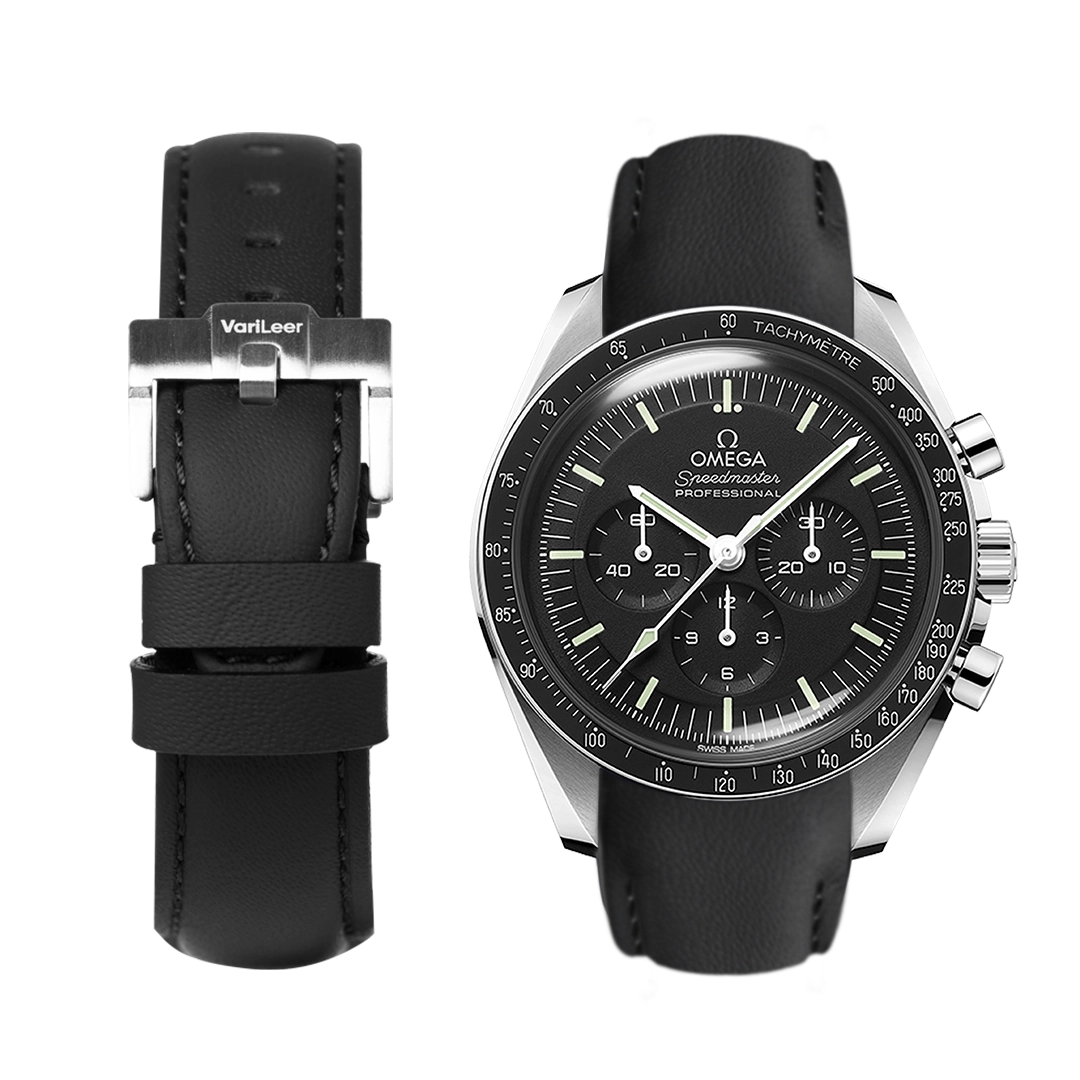
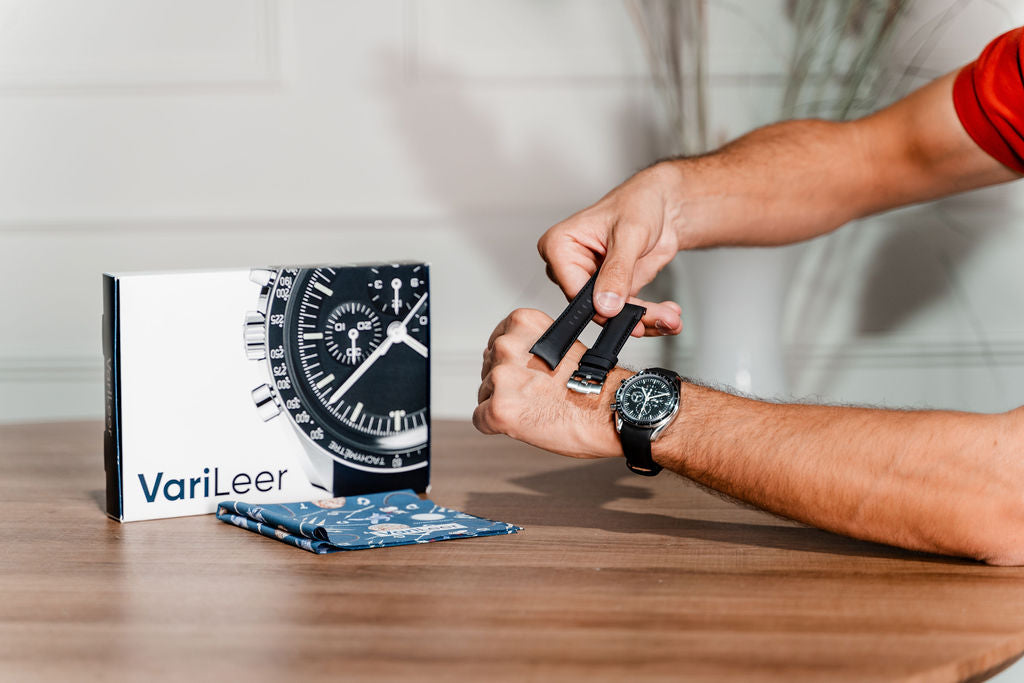
A quick-release spring bar does the same job, but it adds a small lever on the underside of the strap. Pull the lever with your fingernail, and the bar retracts. Release it, and the bar extends again. In practical terms, that means you can remove or install a strap without using a traditional spring-bar tool.
That convenience is the main appeal. A watch owner who likes a bracelet during the week and leather for dinner, travel or office wear can make the switch faster and with less stress.
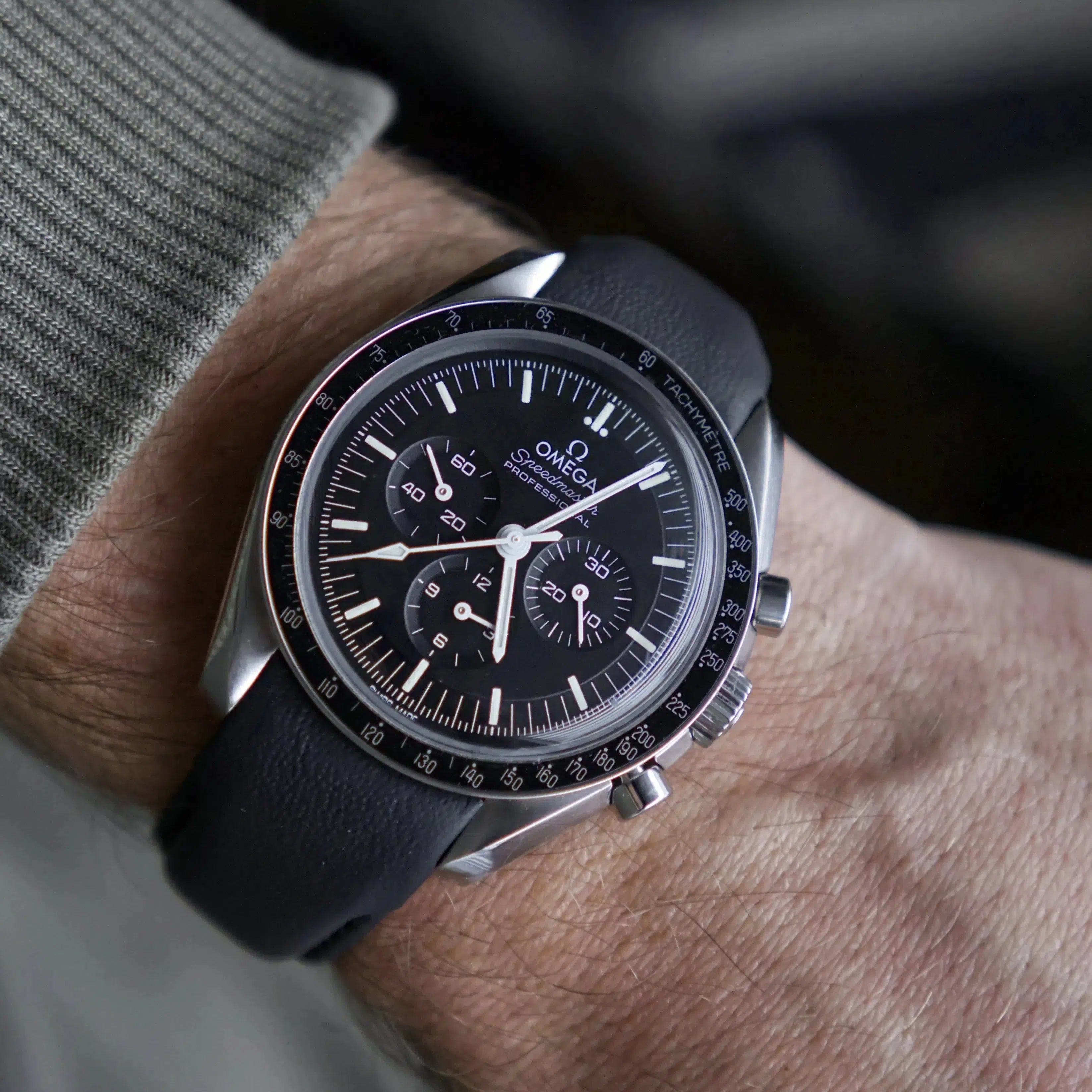
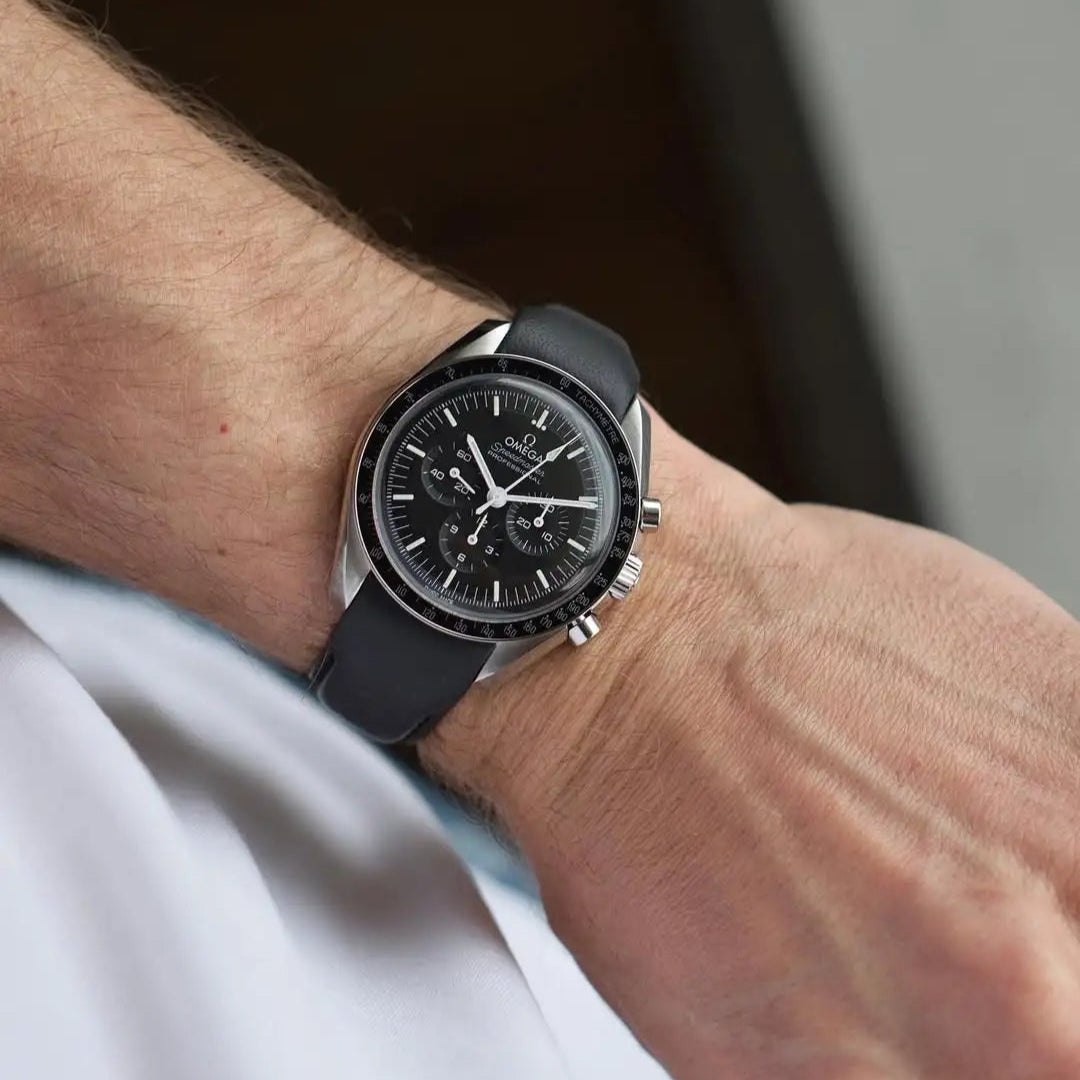
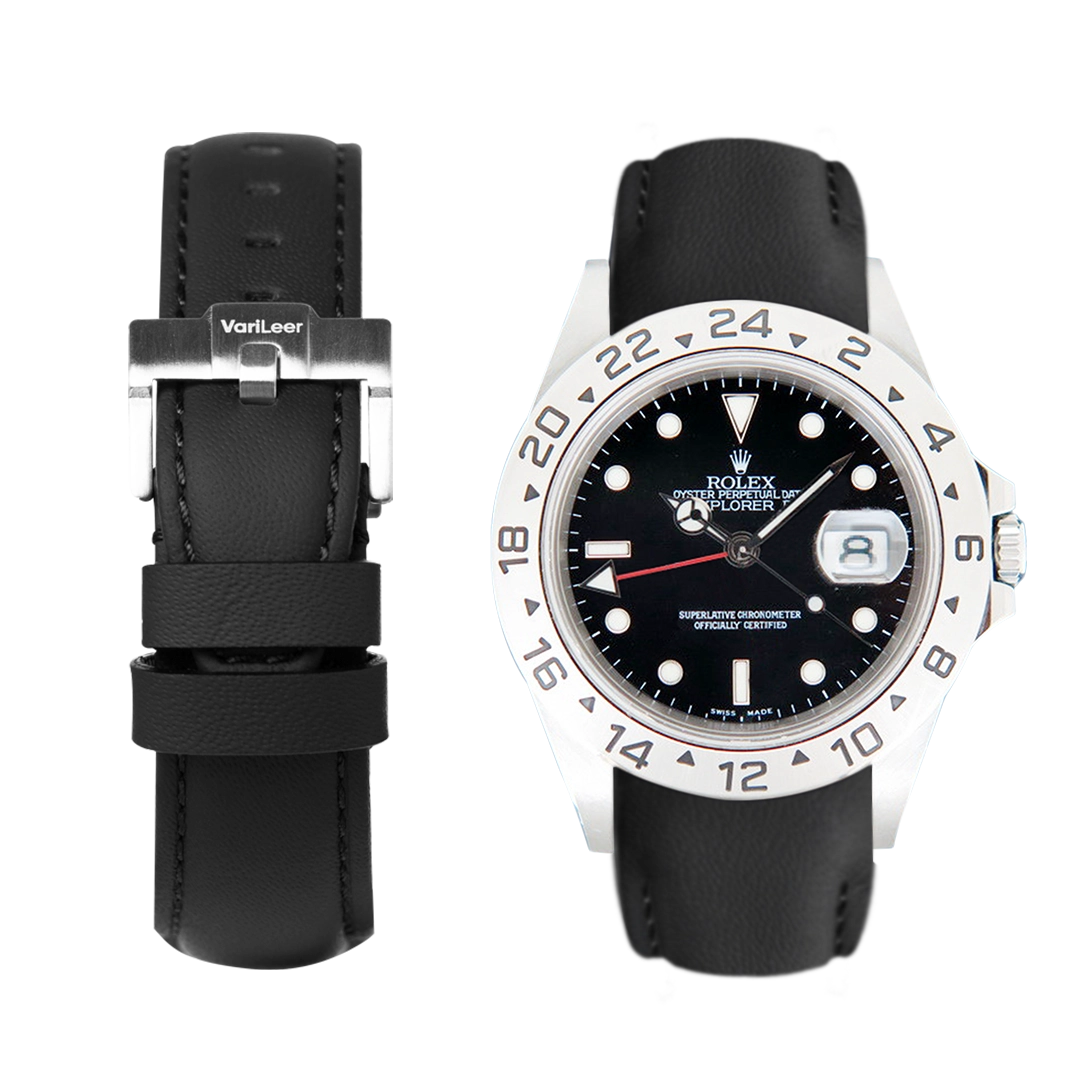
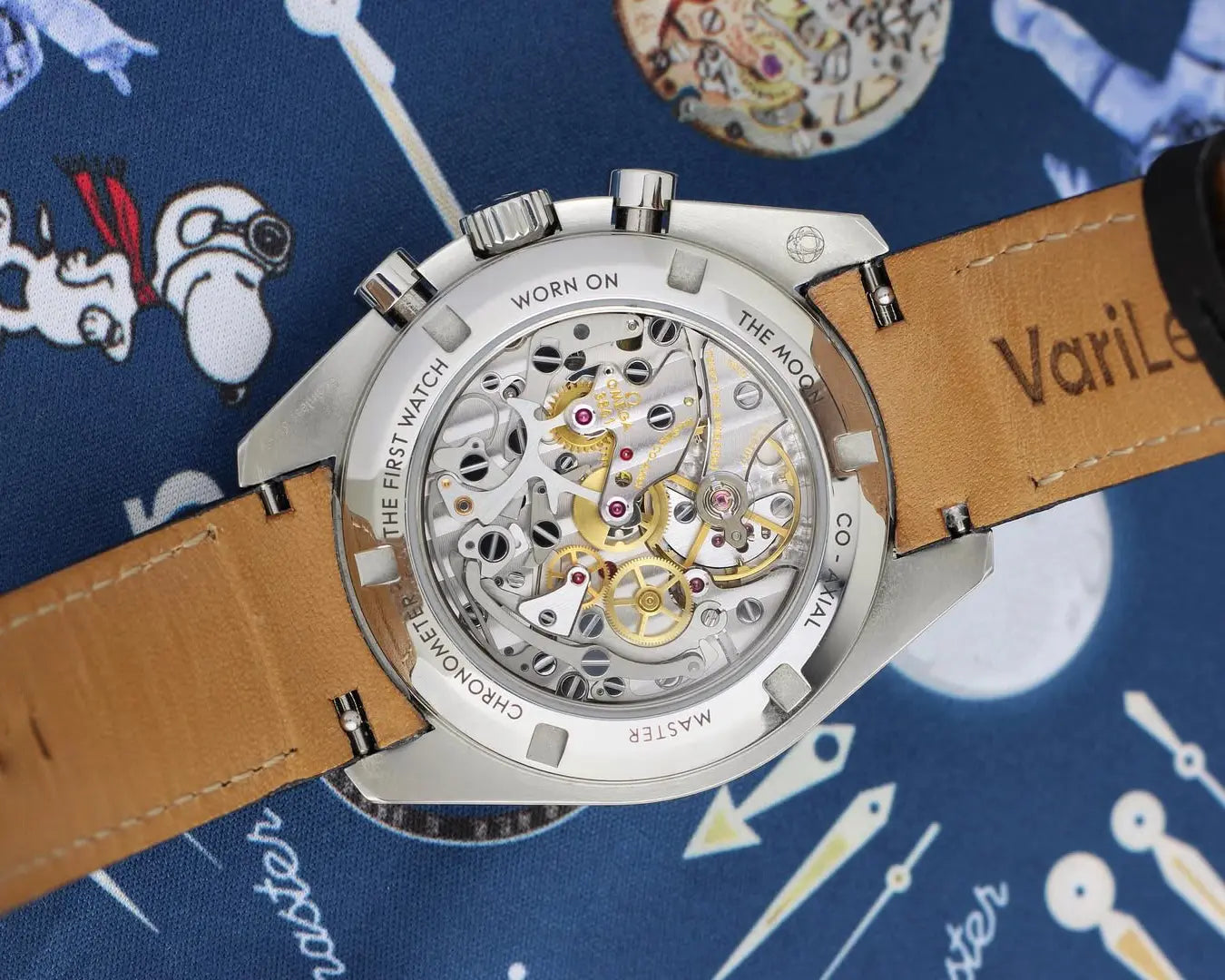
For example, VariLeer’s curved-end leather strap for Omega Speedmaster Professional is built around a cleaner case-to-strap transition and quick strap changes. For Rolex owners, the same principle matters: the easier the strap change, the more likely you are to use the right strap for the right setting.
Are quick-release spring bars safe for a Rolex or Omega?
They can be, but only if the fit is correct.
The key safety question is not simply “quick-release or standard?” It is whether the bar is the correct width, whether the ends sit fully inside the lug holes, whether the strap is made for that case, and whether the leather is thick enough to support the watch without forcing the bar into a bad angle.
A poorly fitted standard spring bar can fail. A poorly fitted quick-release spring bar can also fail. The mechanism is convenient, but the fundamentals are the same: correct size, secure seating and a strap that matches the watch.
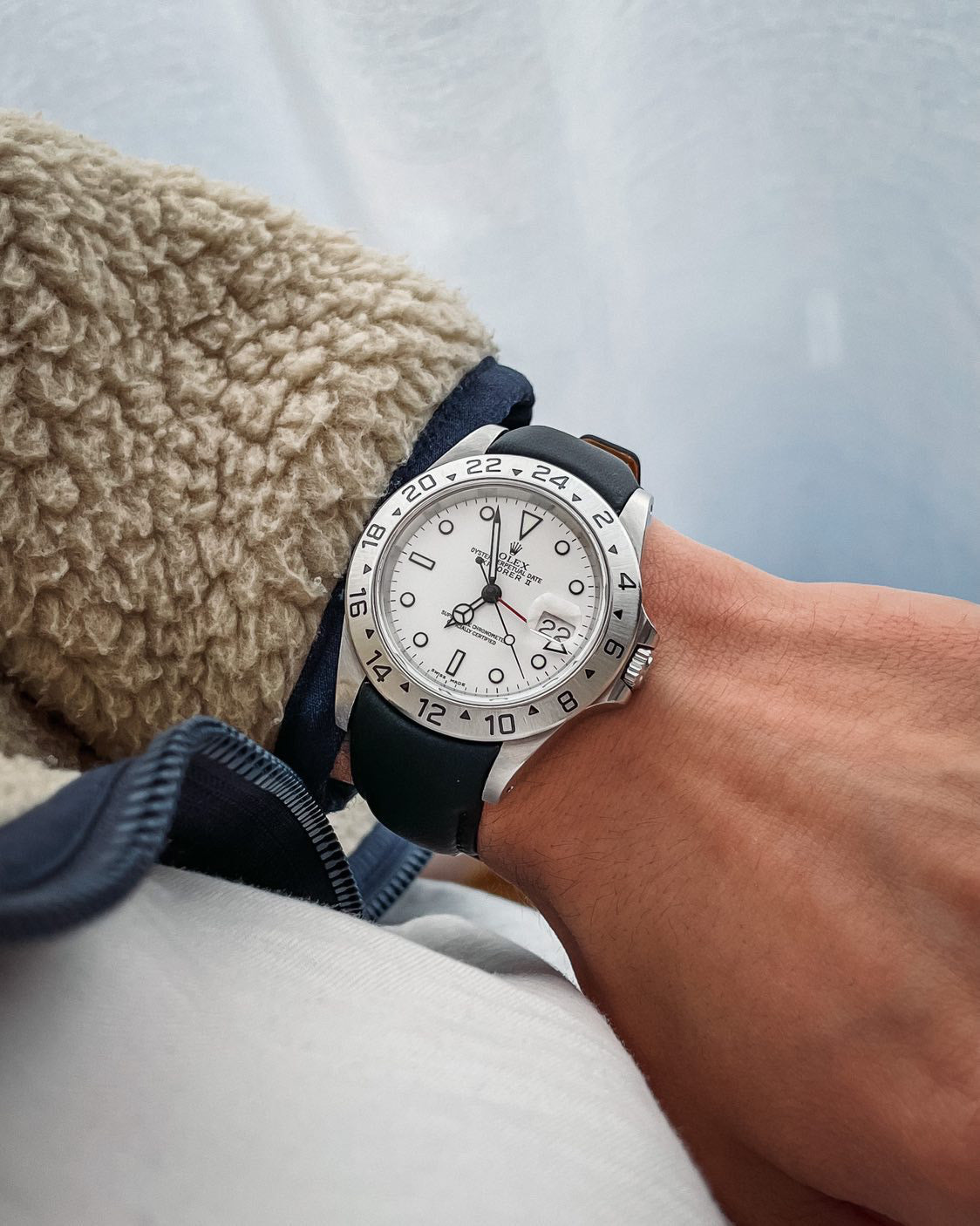
This matters especially with heavier sports watches. A Rolex Submariner, GMT-Master II, Daytona, Explorer II or Sea-Dweller has more wrist presence than a very light dress watch. An Omega Speedmaster Professional is also not a watch you want hanging from a questionable strap setup. If the strap feels loose, twisted, undersized or improvised, do not wear it.
What can go wrong?
Most quick-release concerns come from fit, quality or handling.
The first risk is an incorrect width. A bar that is too short may not engage deeply enough in the lug holes. A bar that is too long may be forced into position and put stress on the strap or lugs.
The second risk is a cheap or weak spring bar. The bar is small, but it carries the watch. If it bends, binds or fails to spring back properly, the strap is not secure enough for daily wear.
The third risk is incomplete seating. Sometimes one side clicks into place and the other side only looks seated. That is why every strap change should end with a simple pull test.
The fourth risk is leather compression or poor geometry. If the strap is too thick near the lugs, or the end shape does not match the case, the spring bar can sit under tension. That can make the strap look wrong and feel less secure.
The fifth risk is assuming water-resistant leather changes the rules. Leather can be practical for daily wear, but it is not the right choice for swimming, diving or heavy water exposure. For water use, a bracelet or rubber strap is usually the better option.
How should you check the strap before wearing it?
After installing a quick-release strap, do not put the watch straight on your wrist. Check it first.
Hold the watch over a soft surface. Gently pull each strap half away from the case. You are not trying to break anything; you are checking that the spring bar is fully locked. Then look at both lug ends from the side. The strap should sit evenly, with no twisted bar, no visible misalignment and no loose movement.
Next, flex the strap slightly in the direction it will move on wrist. A secure strap should move naturally without one end trying to pop out. If anything clicks, shifts or feels vague, remove the strap and reinstall it.
For curved-end leather straps, also inspect the case-to-strap transition. The leather should follow the case curve cleanly. A large open gap, floating strap end or straight-end look usually means the strap is not the right design for that watch.

Are quick-release spring bars better than standard spring bars?
They are better for convenience. They are not automatically better for every watch, every owner or every use case.
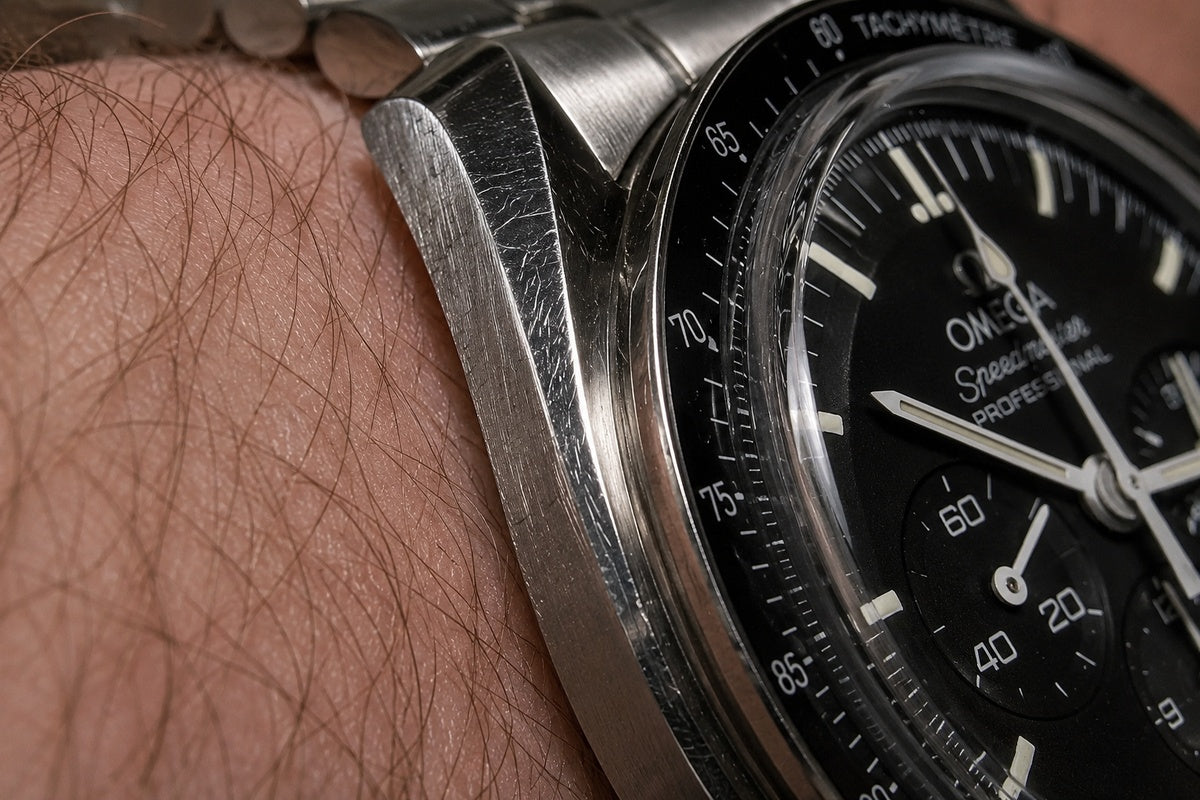
A standard spring bar can be excellent when installed by someone with the right tool and experience. Many original bracelets and straps use traditional spring bars because they are simple, robust and proven. The downside is that removing them often requires a metal tool near the case, which can create scratches if you slip.
Quick-release spring bars reduce that tool contact. For owners who rotate straps often, that is a real benefit. They also make leather more practical as a regular option instead of a once-a-year experiment.
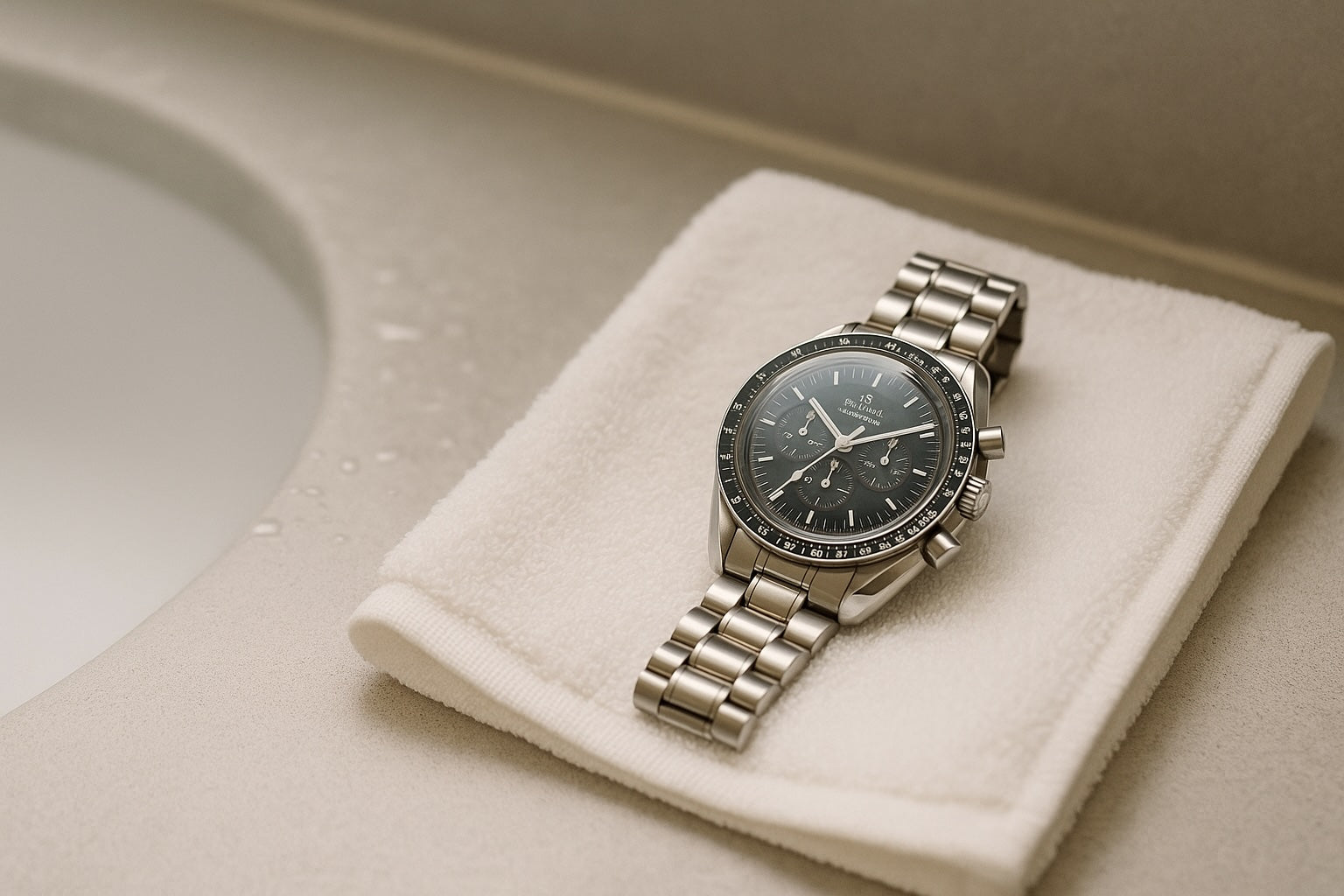
For example, a Speedmaster owner might wear the bracelet for a busier week, then switch to leather for office wear or travel. A MoonSwatch owner might move from the stock strap to a cleaner leather look for everyday wear. A Rolex GMT-Master II owner might keep the bracelet for hot weather and use leather for dry, smart-casual settings.
When should you avoid changing the strap yourself?
Do not change the strap yourself if the watch is very valuable to you, if the lugs are already damaged, if the bar feels stuck, or if you are not sure the strap is compatible. A good watchmaker can usually change a strap quickly and safely.
Also be careful with watches that have unusual case shapes, hidden lug geometry, curved spring-bar requirements or special bracelet systems. Some watches are not friendly to casual strap changes.
Speedmaster owners should pay special attention to exact fit. Not every Speedmaster case or lug configuration is the same. If your Speedmaster has straight lugs, a different lug width or requires curved spring bars, do not assume a strap for the Speedmaster Professional will fit.
Why does curved-end fit matter with quick release?
A quick-release spring bar solves the installation problem. It does not solve the shape problem by itself.
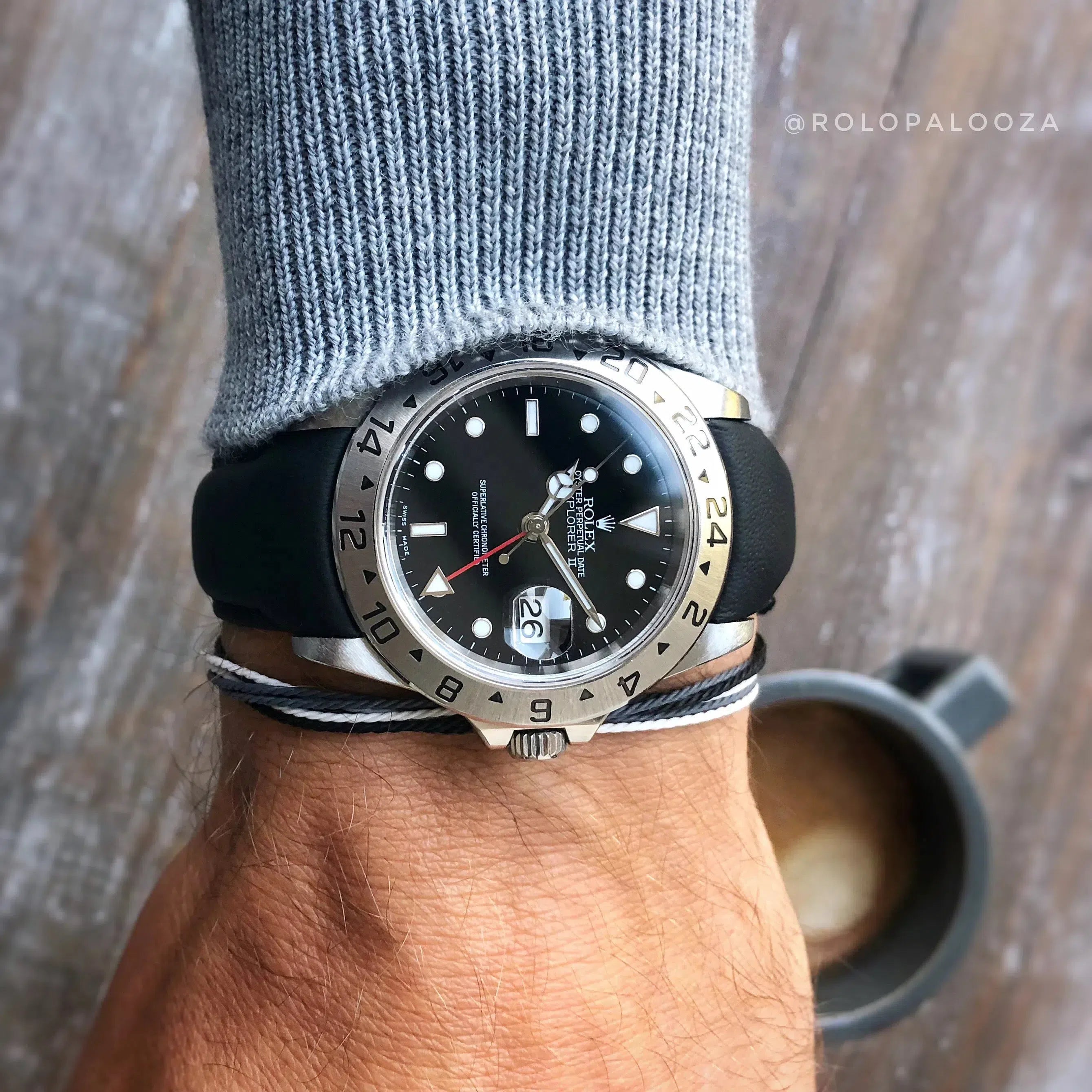
That is why curved-end fit matters. On many Rolex sports watches and the Omega Speedmaster, the shape of the case is a big part of the design. A straight-end leather strap can leave a visible gap between the case and strap. Some owners like that traditional look. Others feel it makes a premium sports watch look unfinished.
A curved-end strap is designed to follow the case more closely. When done well, it creates a cleaner transition from watch to leather. With quick-release spring bars, the goal is both visual and practical: a strap that looks made for the watch and can be changed without unnecessary tool work.
Final buying advice
Quick-release spring bars are a good feature when the strap is model-correct, well made and properly checked after installation. They are especially useful if you like rotating between bracelet, leather and other strap options.
But do not judge safety by convenience alone. Judge it by fit. The strap should match your exact watch, the spring bars should seat cleanly, and the leather should sit securely between the lugs. If you are unsure, ask before ordering or have a watchmaker install it.
For selected Rolex, Omega Speedmaster and MoonSwatch models, VariLeer’s curved-end leather straps are designed for owners who want leather without the generic strap-gap look. The next step is simple: find your exact model, check compatibility carefully, and choose the strap only when the product page matches the watch on your wrist.


Written by Thomas (Owner and watch enthusiast)