How an Omega Speedmaster Ages Inside: Movement Care, Service Signs and Long-Term Wear
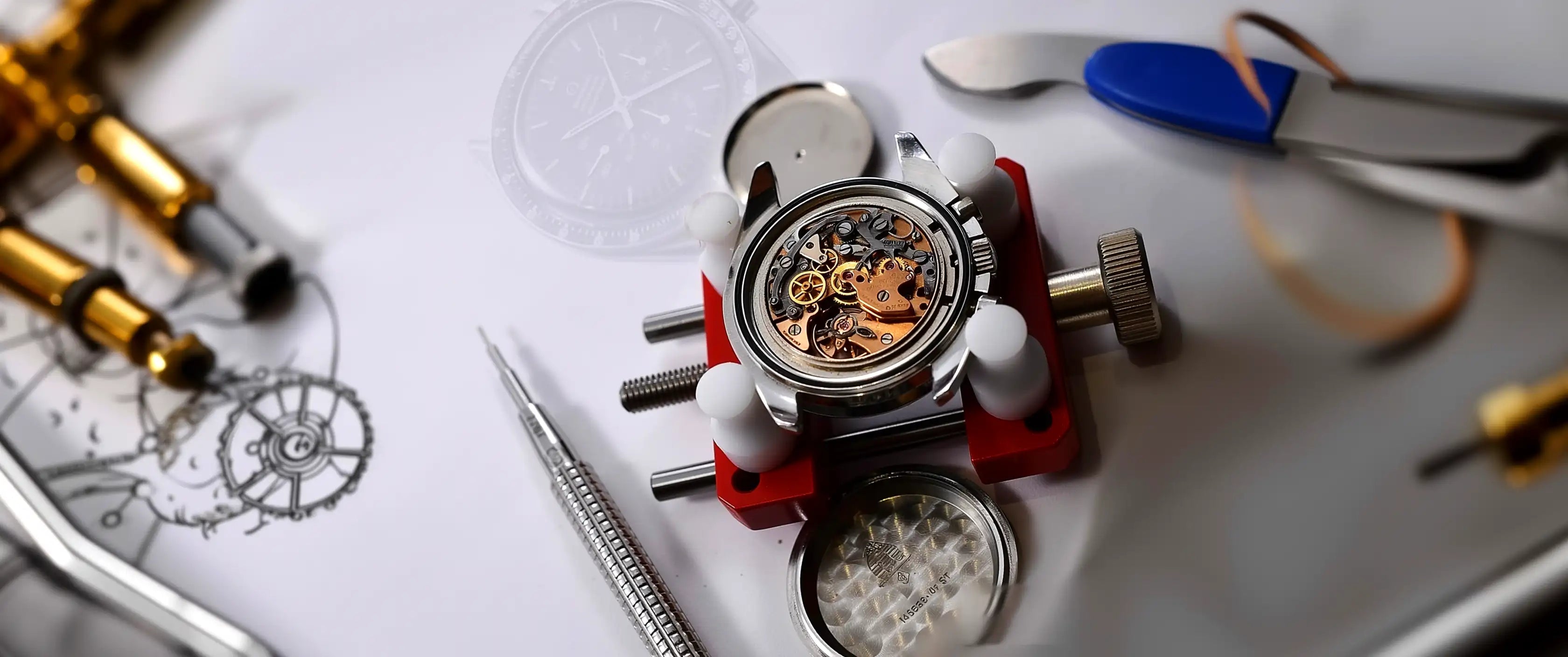
An Omega Speedmaster is not a fragile watch, but it is not a maintenance-free object either. Inside the case is a hand-wound chronograph movement with oils, pivots, wheels, jewels, springs, levers, pushers and seals. Over years of wear, those parts do not simply “get old.” They gradually change in measurable ways.
That is why Speedmaster movement care is less about panic and more about attention. A well-kept Moonwatch can stay reliable for decades, but only if lubrication, water resistance, accuracy and chronograph function are taken seriously.
This guide focuses mainly on the Speedmaster Professional Moonwatch family, including older calibre 321, 861 and 1861 watches and the modern calibre 3861 generation.
Why does a Speedmaster movement age differently from a simple watch?
A Speedmaster is a chronograph, not just a time-only watch. That matters.
A simple mechanical watch has a going train, escapement, balance and winding system. A Speedmaster adds a chronograph mechanism: pushers, coupling parts, reset hammers, counters and the central chronograph seconds hand. Those parts are built for use, but they add more friction points and more adjustments than a basic three-hand movement.
That does not mean you should avoid using the chronograph. The Speedmaster was designed to time events. Starting, stopping and resetting the chronograph is normal. What matters is whether the action stays consistent over time.
A healthy Speedmaster should feel precise. The pushers should not feel gritty or unusually heavy. The chronograph seconds hand should start cleanly. The reset should return the hand to zero. If those details change, the watch may be telling you something before it stops running.
What happens to lubrication inside the movement?
A mechanical watch needs lubrication in very small, very specific places. These oils reduce friction at contact points such as pivots, jewels, wheels, the escapement and chronograph components.
Over time, lubricants can dry, spread, thicken, evaporate or move away from the exact place they are needed. When that happens, the watch may still run, but the movement is working harder than it should.
This is one of the most misunderstood parts of Speedmaster ownership. A watch can appear fine on the wrist while internal friction is increasing. That extra friction can lower performance, shorten power reserve and accelerate wear on parts that would otherwise last much longer.
In other words: “it still runs” is useful, but it is not a complete health check.
Why can accuracy and power reserve change over time?
A Speedmaster’s timekeeping depends on the balance, escapement, mainspring, lubrication and overall movement condition. When friction increases, the balance may receive less stable energy. That can affect amplitude, which is the strength of the balance’s swing.
The owner usually sees this as practical symptoms:
The watch starts gaining or losing more time than usual. The power reserve feels shorter. Timekeeping varies more depending on whether the watch is dial-up, crown-up or on the wrist. The watch runs acceptably when fully wound but becomes less stable near the end of the power reserve.
A small daily variation is normal for a mechanical watch. A sudden change is more important. The best reference point is not a generic number online, but your own watch’s previous behaviour.
Winding routine matters here too. A manual-wind Speedmaster performs best when it is wound consistently and not forced beyond clear resistance. For a practical daily routine, read our guide on how often you should wind an Omega Speedmaster.
What chronograph signs should Speedmaster owners watch for?
Because the Speedmaster is famous as a chronograph, its timing function deserves attention.
Chronograph issues often start subtly. The central seconds hand may hesitate when started. The reset may land slightly off zero. The minute counter may not advance cleanly. The pushers may feel sharper, stickier or less consistent than before.
One occasional odd reset does not automatically mean disaster. But repeated symptoms should not be ignored, especially on a watch that has not been serviced for many years.
Also pay attention to how the chronograph affects timekeeping. If the watch keeps reasonable time until the chronograph is running, then behaves very differently, that can point to friction or adjustment issues in the chronograph system.
Why are gaskets and moisture so important?

Movement aging is not only about the movement. The case is part of the protection system.
A Speedmaster uses gaskets around key areas such as the crown, pushers, caseback and crystal. These seals age. They can compress, dry out or lose elasticity. Once that happens, the watch can become more vulnerable to moisture even if it still looks perfect externally.
This matters because moisture is one of the fastest ways to turn a service into a repair. Corrosion can affect screws, wheels, levers and dial-side components. Fogging under the crystal is not a “wait and see” issue; it is a reason to stop wearing the watch and have it checked quickly.
The modern Moonwatch is water-resistant, but a Speedmaster Professional is still not a dive watch. Avoid using the chronograph pushers in water. If the watch is exposed to rain, sweat, travel humidity or temperature changes, periodic water-resistance testing is sensible. For a deeper look at real-world water use, read our guide on whether it is safe to swim with a Speedmaster.
Strap choice also matters for use case. A leather strap does not change the watch’s water resistance. A water-resistant leather strap is better suited to normal daily wear than untreated leather, but leather is still not the right choice for swimming, showering or heavy water exposure.
How do magnetism and shocks affect a Speedmaster?
Older mechanical chronographs can be affected by magnetism from everyday objects such as speakers, magnetic clasps, laptops, tablets and some kitchen appliances. A magnetised watch often starts running unusually fast or irregularly.
The current calibre 3861 Moonwatch is much stronger in this area than older generations. Its modern anti-magnetic construction is a real advantage for daily wear. That said, shock and careless handling still matter.
A Speedmaster can handle normal life: desks, sleeves, travel, walking, driving and daily wrist movement. What it does not like is repeated impact. Drops, hard knocks against door frames and strong shocks can affect hands, pivots, the balance system or chronograph reset alignment.
If the watch takes a serious hit and then behaves differently, do not wait until the next service interval. Have it inspected.
Does it matter whether your Speedmaster has calibre 321, 861, 1861 or 3861?
Yes, but not in a simple “old bad, new good” way.
Calibre 321 is historically important and mechanically admired, especially among collectors. Calibre 861 and 1861 are robust, long-running Moonwatch movements with a strong service history. Calibre 3861 brings the Speedmaster Professional into the modern era with Co-Axial technology, Master Chronometer certification, hacking seconds, improved magnetic resistance and a longer listed power reserve than the 1861 generation.
For ownership, the main difference is not romance. It is service context.
An older calibre 861 or 1861 with good service history can be a healthier watch than a newer watch that has been neglected. A calibre 321 may deserve a more specialist service approach because originality and parts matter more to collectors. A calibre 3861 offers modern performance, but it still needs care because it remains a mechanical chronograph.
The calibre matters. The condition matters more.
When should an Omega Speedmaster be serviced?

There is no perfect universal date. Service need depends on age, use, climate, moisture exposure, shocks and previous service quality.
As a practical ownership rule, many Speedmaster owners should think in the range of several years, not decades. A regularly worn mechanical chronograph should not be left indefinitely just because it still ticks.
The strongest signs that a Speedmaster may need service are:
- Noticeable accuracy change
- Reduced power reserve
- Rough or uneven winding feel
- Chronograph reset problems
- Stiff or inconsistent pushers
- Moisture or fogging under the crystal
- A heavy impact followed by changed behaviour
- Unknown service history on a pre-owned watch
For pre-owned Speedmasters, service history is part of the watch’s condition. A watch with box, papers and no recent service may still need attention. A cosmetically worn watch with a documented professional service may be mechanically more reassuring.
Which daily habits help a Speedmaster last longer?
The best care habits are simple.
Wind the watch calmly and stop when resistance is clear. Do not force the crown. Keep the crown pushed in after use. Avoid operating the pushers when the watch is wet. Have water resistance tested if the watch regularly sees moisture, travel or seasonal humidity. Keep the watch away from strong magnetic sources when possible. Do not ignore sudden timekeeping changes.
Final thoughts
A Speedmaster does not age in one dramatic moment. It changes slowly. Oils lose effectiveness. Friction rises. Gaskets age. Accuracy can drift. Chronograph parts may start to feel different. Moisture, magnetism and shocks add their own risks.
None of this makes the Speedmaster delicate. It makes it mechanical.
That is part of the appeal. A Moonwatch can be worn, serviced, enjoyed and passed on. The key is to treat it like a precision chronograph rather than a sealed object that can be ignored forever.
Look after the movement, respect the case seals, use the chronograph, and pay attention when the watch behaves differently. That is how a Speedmaster stays not just beautiful, but properly usable for the long run.
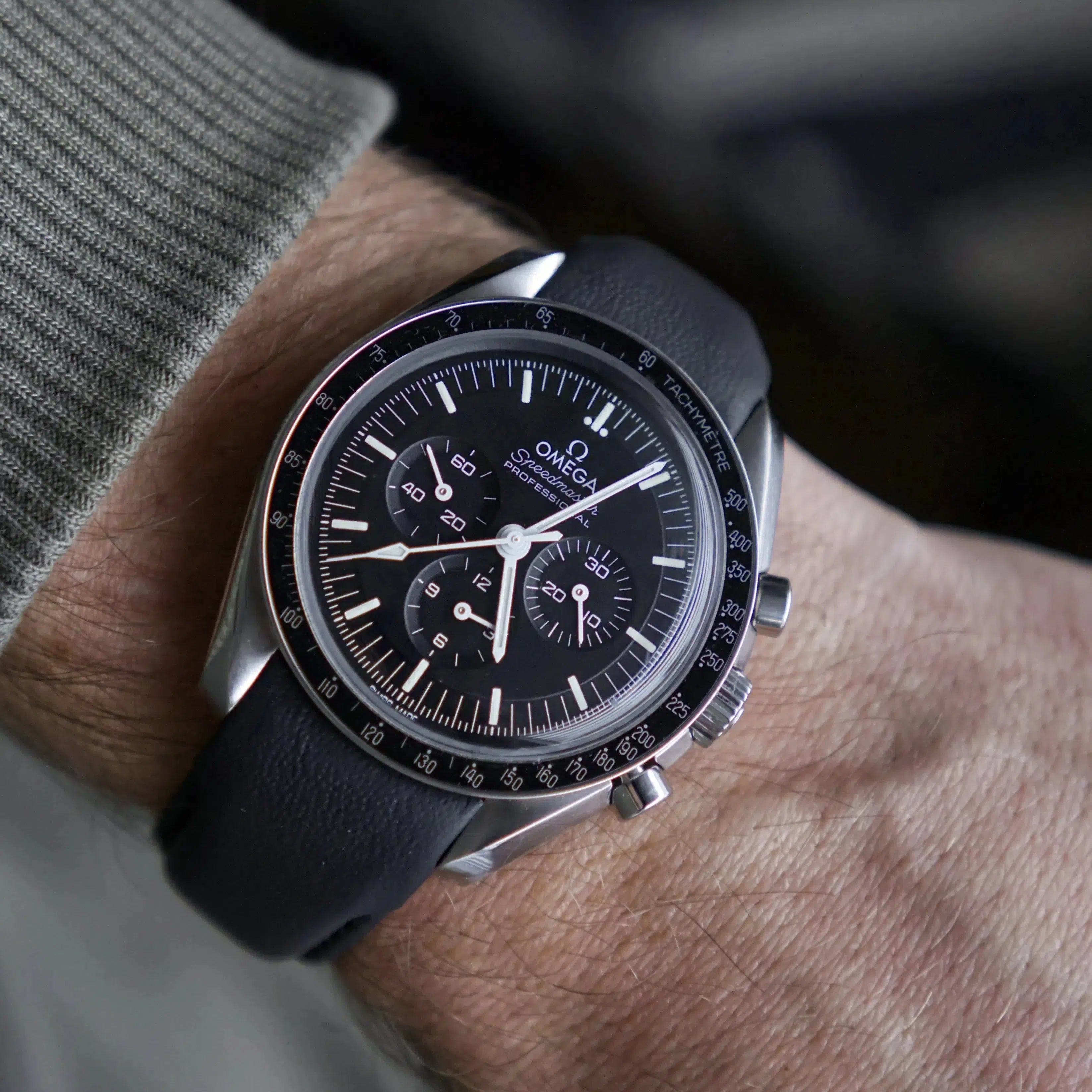
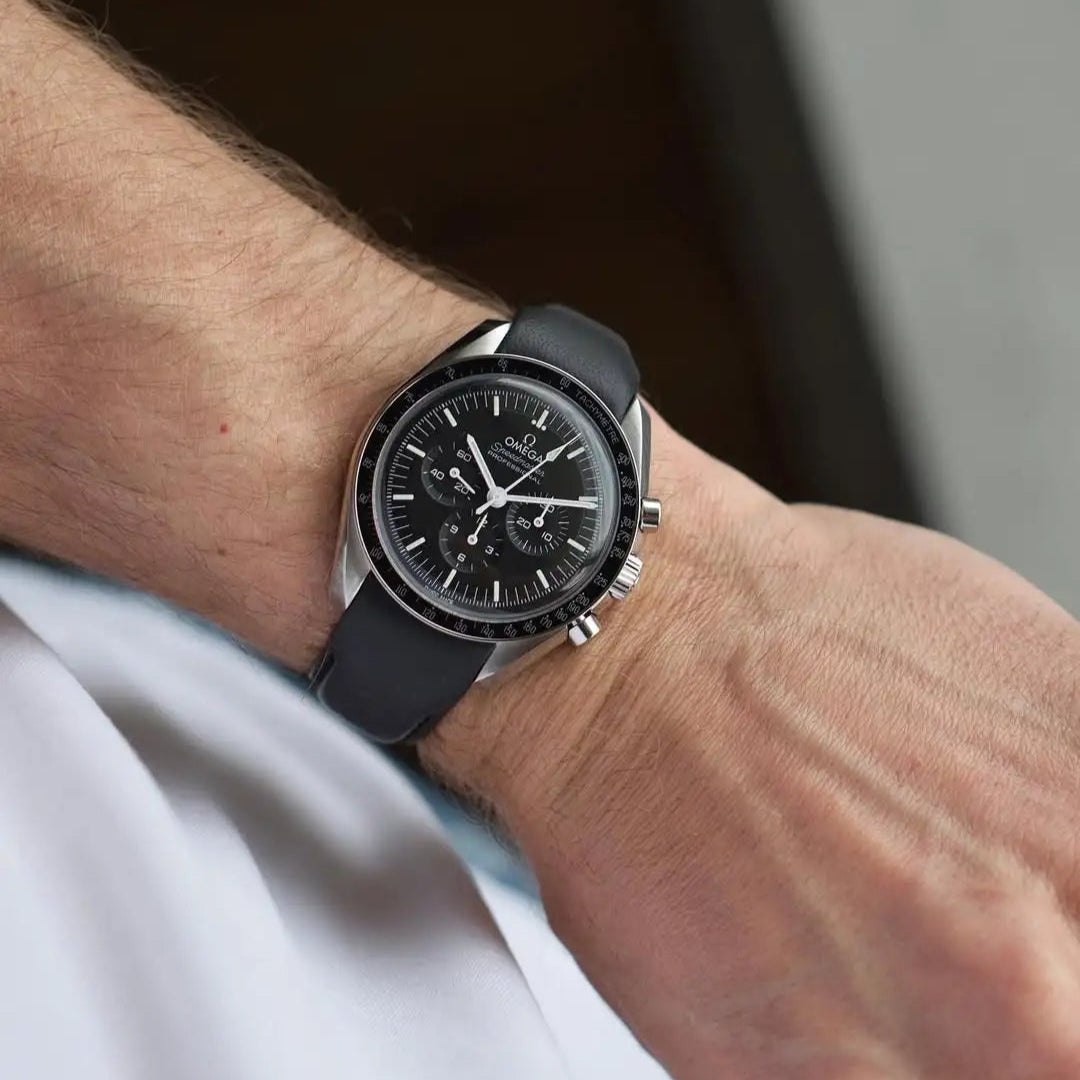
The same applies to how you wear it. The steel bracelet is part of the Speedmaster’s identity, but it does not have to carry every season, every outfit and every scratch on its own. Rotating it with a leather strap gives the watch a different feel without changing the watch itself. It can make the Moonwatch feel fresh again for office days, travel or quieter weekends, while giving the bracelet a break from daily desk wear.
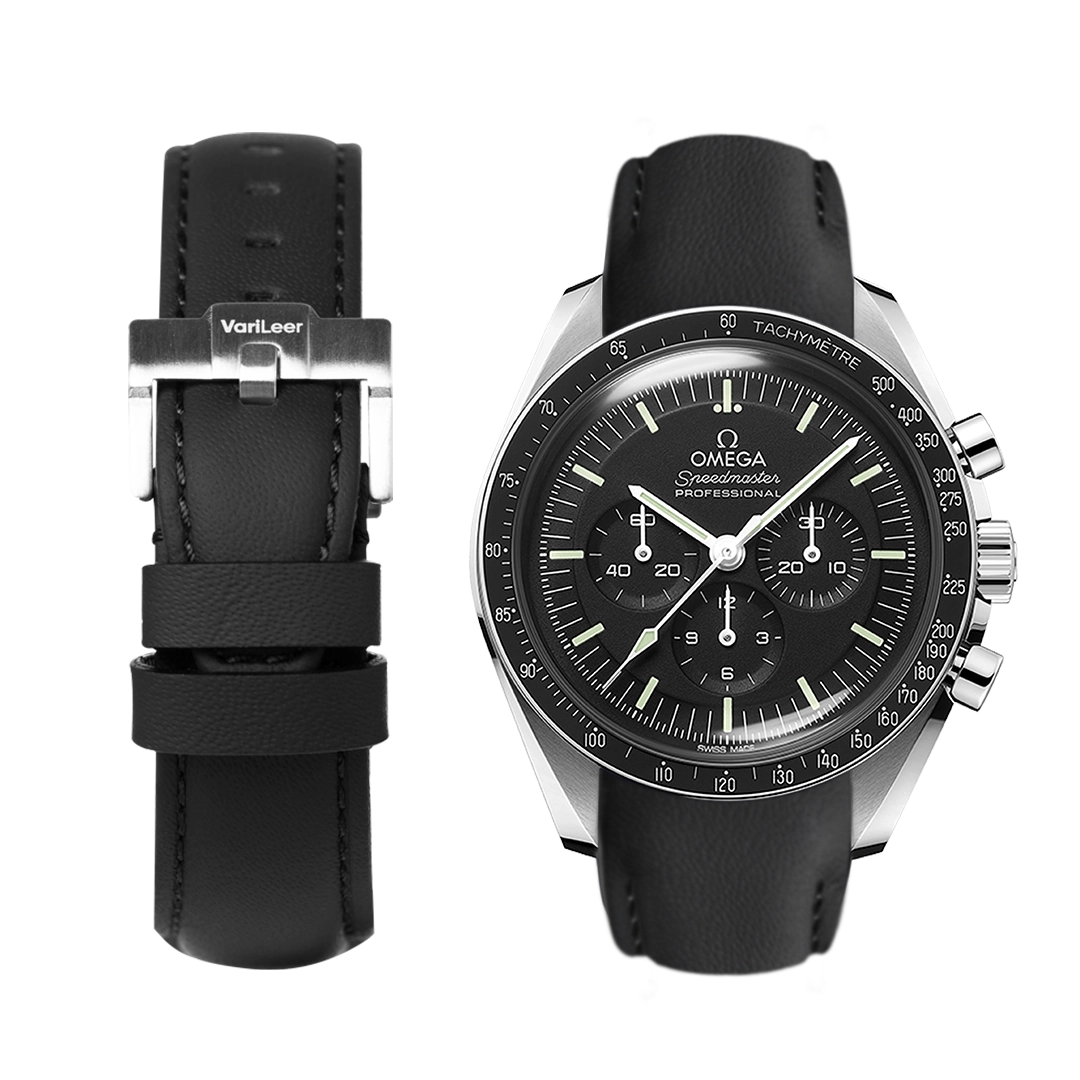
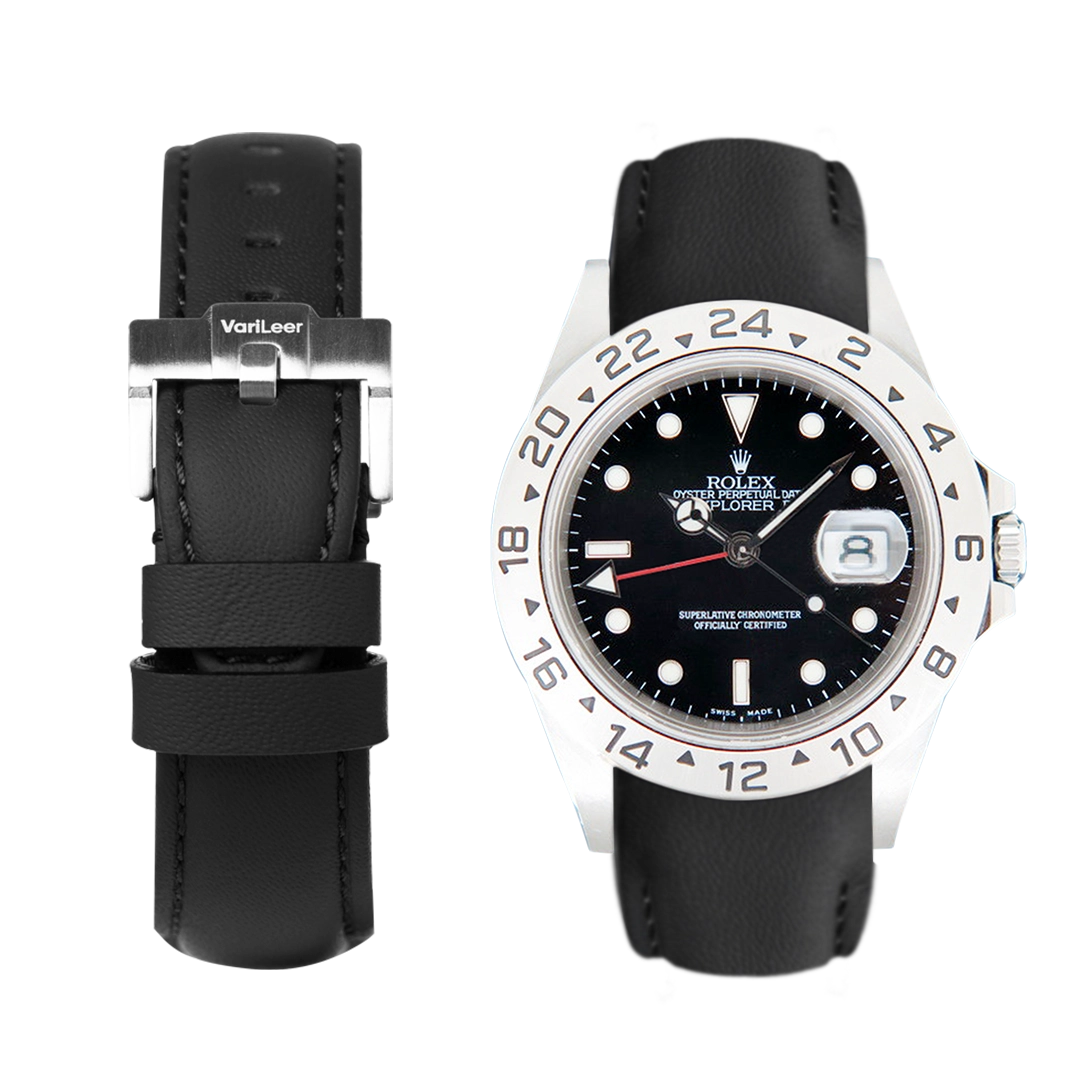
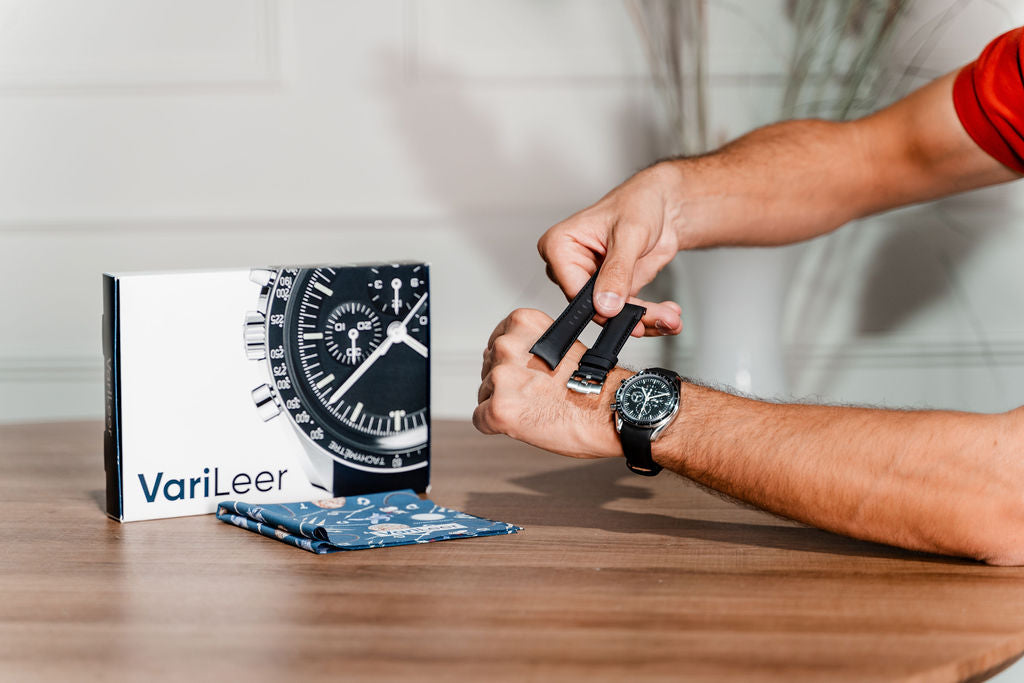
For that kind of rotation, VariLeer makes a curved-end leather strap for the Omega Speedmaster Professional, designed to create a cleaner case-to-strap transition than a generic straight-end strap.

Written by Thomas (Owner and watch enthusiast)